Bruce P. Robinson, MD

Hair loss is one of the most common disorders that dermatologists diagnose and treat, the medical term for hair loss is alopecia. Treatment for hair loss is most effective when started early.
To pinpoint the cause of your hair loss, Dr. Robinson begins by gathering information, by asking questions, looking closely at your scalp, nails, any other area with hair loss and by testing the health of your hair. We lose our hair for many (with emphasis on many) reasons.
With so many causes, it can be challenging to figure out why your hair is falling out. If you want to do something about it, though, knowing the cause is important. In many cases, hair loss can be successfully treated, or action taken to prevent further hair loss. The key to getting results is knowing the true cause of your hair loss.
Dr. Robinson specializes in treating the skin, hair, and nails. He has the expertise and tools to help get to the root cause of a person’s hair loss.
The sooner you find the cause, the better your outcome. The less hair you lose, the more successful treatment (or prevention) tends to be.
Some products are effective. Minoxidil (Rogaine®) can safely and effectively treat a few causes of hair loss. People who have hereditary hair loss can have some regrowth with this product. Using an at-home laser can also be part of an effective treatment plan for someone who has hereditary hair loss.
Again, the key to getting results is to know the cause.
Yes, it’s normal to lose between 50 and 100 hairs a day. That’s because our bodies continually grow new hair and shed old hair. This shedding is not a sign of hair loss.
A receding hairline, bald spot, or overall thinning is a sign of hair loss
Hair loss has many causes. What’s causing your hair loss can determine whether your hair:
Both men and women develop this type of hair loss, which is the most common cause of hair loss worldwide. In men, it’s called male pattern hair loss. Women get female pattern hair loss. Regardless of whether it develops in a man or women, the medical term is androgenic alopecia.
No matter which term you use, it means that you’ve inherited genes that cause your hair follicles (what each hair grows out of) to shrink and eventually stop growing hair. Shrinking can begin as early as your teens, but it usually starts later in life.
In women, the first noticeable sign of hereditary hair loss is usually overall thinning or a widening part.
When a man has hereditary hair loss, the first sign is often a receding hairline or bald spot at the top of his head.
Is regrowth possible?
Yes, treatment can help stop or slow hair loss. It may also help regrow hair. The earlier treatment is started, the better it works. Without treatment, you will continue to lose hair.
With age, most people notice some hair loss because hair growth slows. At some point, hair follicles stop growing hair, which causes the hair on our scalp to thin. Hair also starts to lose its color. A woman’s hairline naturally starts to recede.
Alopecia areata is a disease that develops when the body’s immune system attacks hair follicles (what holds the hair in place), causing hair loss. You can lose hair anywhere on your body, including your scalp, inside your nose, and in your ears. Some people lose their eyelashes or eyebrows.
Is regrowth possible?
Yes. If your hair fails to grow back on its own, treatment may help stimulate regrowth.
If you receive chemotherapy or have radiation treatment to your head or neck, you may lose all (or most of) your hair within a few weeks of starting treatment.
Is regrowth possible?
Hair usually starts to regrow within months of finishing chemotherapy or radiation treatments to the head or neck. Dermatologists can offer medication to help hair grow back more quickly.
Is it preventable?
Wearing a cooling cap before, during, and after each chemotherapy session may help prevent hair loss.
A few months after giving birth, recovering from an illness, or having an operation, you may notice a lot more hairs in your brush or on your pillow. This can also happen after a stressful time in your life, such as a divorce or death of a loved one.
Is regrowth possible?
If the stress stops, your body will readjust and the excessive shedding will stop. When the shedding stops, most people see their hair regain its normal fullness within 6 to 9 months.
If you color, perm, or relax your hair, you could be damaging your hair. Over time, this damage can lead to hair loss.
Is regrowth possible?
You can change how you care for your hair, which can prevent hair loss. Once you damage a hair follicle, hair cannot grow from that follicle. Having many damaged hair follicles creates permanent bald spots.
If you often wear your hair tightly pulled back, the continual pulling can lead to permanent hair loss. The medical name for this condition is traction alopecia.
Is regrowth possible?
No. You can prevent hair loss by making some changes.
A common cause of this imbalance is polycystic ovary syndrome (PCOS). It leads to cysts on a woman’s ovaries, along with other signs and symptoms, which can include hair loss. Stopping some types of birth control pills can cause a temporary hormonal imbalance. Women who develop a hormonal imbalance can develop thinning hair (or hair loss) on their scalp.
Is regrowth possible?
Treatment may help.
A scalp infection can lead to scaly and sometimes inflamed areas on your scalp. You may see what look like small black dots on your scalp. These are actually stubs of hair. Some people develop a bald spot.
Is regrowth possible?
Yes, treatment can get rid of the infection. Once the infection clears, hair tends to grow.
A possible side effect of some medications is hair loss. If you think a medication is causing your hair loss, ask the doctor who prescribed it if hair loss is a possible side effect. It’s essential that you do not stop taking the medication before talking with your doctor. Abruptly stopping some medications can cause serious health problems.
Is regrowth possible?
Yes.
Many people who have plaque psoriasis develop psoriasis on their scalp at some point. This can lead to hair loss.
Is regrowth possible?
Hair tends to regrow once the scalp psoriasis clears, but this takes time
If you have a problem with your thyroid, you may see thinning hair. Some people notice that their hair comes out in clumps when they brush it.
Is regrowth possible?
Yes, treating the thyroid disease can reverse the hair loss.
While your hair may regrow on its own, our practice may recommend treatment to help it grow more quickly. Sometimes, treatment is essential to prevent further hair loss.
Oral Minoxidil is by prescription only. Dermatologists began using low-dose oral minoxidil for hair loss after noticing the side effects of the high-dose version of the drug used to treat high blood pressure increased hair growth. The efficacy of 5mg oral minoxidil for men with androgenetic alopecia was tested. Researchers concluded that 43% of the patients had excellent results in hair growth. Typically, people prefer oral to topical. They find it easier and more convenient to take the medication orally, may be able to save money with an oral minoxidil prescription and prefer not to have residue on their hair.
Topical Minoxidil 5% Solution aka Rogaine solution or foam is available over the counter. Effectiveness of topical Minoxidil works for about 2 out of 3 men. It's most effective if you're under age 40 and have only recently started to lose your hair. How to use it: Twice a day, when your hair is dry, apply minoxidil on your scalp where the hair has started to thin. Minoxidil can help maintain the regrowth after you stop applying the corticosteroid. It has few side effects, so it’s considered a good option for children. New hair growth may appear in about 12 weeks.
Laser for at-home use: You can buy laser caps and laser combs to treat hair loss at home. While only a few studies have looked at these devices, the results are promising.
In one study, more than 200 men and women who had hereditary hair loss were given either a laser hair comb or a sham device that looked like a laser comb. The patients used the device that they were given 3 times per week for 26 weeks.
The researchers found that some patients using the laser rather than the sham device saw overall thicker and fuller hair.
It’s important to understand that not everyone who used a laser saw regrowth.
More studies are needed to find out who is most likely to benefit from this treatment and whether these devices cause long-term side effects.
PRP (platelet-rich plasma) therapy
PRP (platelet-rich plasma) therapy for hair loss is a three-step medical treatment in which a person’s blood is drawn, processed, and then injected into the scalp.
PRP injections trigger natural hair growth and maintain it by increasing blood supply to the hair follicle and increasing the thickness of the hair shaft. Sometimes this approach is combined with other hair loss procedures or medications.
Another treatment option is to take prescription medication. The type of medication prescribed will depend on your:
With any medication, side effects are possible. Ask your dermatologist about possible side effects that you might experience while taking one of these medications to treat hair loss. The medications include:
Finasteride (Propecia®): The U.S. Food and Drug Administration (FDA) approved this medication to treat male pattern hair loss. When taken as directed, finasteride can:
Finasteride is a pill that you take once a day. Taking it at the same time each day seems to produce the best results.
Like other treatments for hair loss, this, too, takes time to work. It usually takes about 4 months to notice any improvement.
Finasteride tends to be more effective if you begin taking it when you first notice hair loss. A dermatologist may also prescribe this medication to treat a woman who has hereditary hair loss and cannot get pregnant.
If finasteride works for you, you will need to keep taking it to continue getting results. Once you stop, you’ll start losing hair again. Before taking this medication, be sure to discuss possible side effects with your prescribing doctor.
Spironolactone: For women who have female pattern hair loss, this medication may be an option. It can:
Studies indicate that this medication is effective in about 40% for women who have female pattern hair loss. In one study of 166 women taking spironolactone, 42% said they had mild improvement, and 31% reported increased thickness.
It’s essential that you not become pregnant while taking spironolactone. This medication can cause birth defects. To prevent pregnancy, Dr. Robinson will also prescribe a birth control pill if it’s possible for you to get pregnant.
If your blood test reveals that you’re not getting enough biotin, iron, or zinc, Dr. Robinson may recommend taking a supplement. If you’re not getting enough protein, he can tell you how to boost your intake.
You should only take biotin, iron, or zinc when your blood test shows that you have a deficiency. If your levels are normal, taking a supplement can be harmful. For example, if you take too much iron, you can develop iron poisoning. Early signs of this include stomach pain and vomiting.
Other supplements meant to help with hair loss tend to contain a lot of one nutrient. Because this can cause you to get too much of the nutrient, we may recommend taking a multivitamin instead.
Do you feel uncomfortable taking medication? Does your schedule limit the amount of time you have for treatment? Is the cost of treatment, which insurance generally will not cover, too expensive?
If you answered yes to any of these questions, we may recommend a wig or concealer.
While these cannot slow hair loss or help you regrow hair, they can boost your self-esteem. Another advantage is that a wig or concealer offers immediate results.
Many types of wigs, including ones that can be custom-made for you, are available. If you’re looking for a concealer, such as a spray or powder that can hide hair loss, you’ll find many products available online. With endless choices, it can be helpful to have a dermatologist guide you in selecting one.
With an accurate diagnosis, many people who have hair loss can see hair regrowth. If you need treatment for regrowth, the earlier you start, the more likely you are to see regrowth.
It’s important to understand that:
No one hair loss treatment works for everyone. Once Dr. Robinson finds the cause(s), he will tell you whether treatment is recommended. Sometimes, your hair will regrow on its own, making treatment unnecessary.
Hyperpigmentation and Melasma affect people of all skin tones and types, often appearing as brown or gray marks on the face and body. These changes in pigmentation can be caused by sun exposure, hormonal shifts, common during pregnancy, inflammation, or even acne. While they’re typically harmless, they can impact your confidence and be difficult to treat without expert guidance. At our practice, we take a customized, science-backed approach to identifying the type of pigmentation and creating a targeted treatment plan that works for your unique skin.
SUN SPOTS:
Also known as liver spots or solar lentigines, sun spots are small, flat brown areas on the skin caused by prolonged exposure to ultraviolet (UV) rays. These spots are marked by an increased number of pigment-producing cells, unlike freckles, which have a normal number of cells that are simply overactive.
Sun spots typically appear on areas that get the most sun exposure, the face, chest, arms, and hands and are especially common in those with lighter skin tones.
Avoiding sun spots completely is nearly impossible. To minimize the risk, we strongly recommend applying a broad-spectrum sunscreen with at least SPF 30, every single day, year-round, regardless of the weather and reapplying every two hours, especially when swimming or sweating.
MELASMA:
Melasma appears as brown patches, most commonly found on the face, especially the cheeks and jawline. It can also show up on the temples and upper lip, where it may resemble a mustache; while it's a common condition, its exact cause remains unclear.
Melasma is influenced by both genetics and hormonal fluctuations. It tends to worsen during times of increased estrogen levels, such as pregnancy or while taking birth control pills. This hormonal link is why melasma is often nicknamed the “mask of pregnancy.” Other contributing factors include heat, ultraviolet (UV) exposure, and blue light from devices like phones, computers, and even indoor lighting.
Melasma is more prevalent in people with melanated skin. For treatment, we recommend using a mix of skin-brightening and lightening products, such as retinoids, antioxidants and hydroquinone. Sunscreen is essential. SPF is non-negotiable, mineral formulas with iron oxides are best, as they also shield against blue light. Even minimal UV exposure can reverse weeks of progress with topical treatments, so daily sunscreen use is critical. There are also in-office procedures, such as peels and lasers, that can help, though it’s important to be treated by a provider who is well versed in treating melasma because it’s easy to exacerbate the condition.
POST-INFLAMMATORY HYPERPIGMENTATION (PIH):
Think of post-inflammatory hyperpigmentation (PIH) as a stain left behind on the skin. Any type of inflammation, whether it’s from a burn, breakout, or other irritation, can leave behind a dark mark in that area. These spots can linger for months or even years, and in some cases, they can be more frustrating than the initial condition itself.
The appearance of PIH varies depending on skin tone. Lighter skin types tend to develop red or pink marks, while deeper skin tones often experience discoloration that’s brown, purple, or even black.
Because PIH (post-inflammatory hyperpigmentation), results from inflammation, we emphasize the importance of treating the root cause first, whether it’s acne, eczema, or another condition. While these dark marks may gradually fade on their own, early intervention often leads to better results.
For quicker results, we recommend targeting hyperpigmentation as soon as it appears, using energy-based treatments tailored to the color of the discoloration.
Lasers use focused light energy to target and break down excess melanin (the pigment responsible for dark spots) in the skin. Your body then gradually clears the pigment particles, resulting in a more even skin tone. We offer a range of advanced laser therapies tailored to the type and depth of discoloration, whether you’re dealing with sun spots, melasma or post-inflammatory hyperpigmentation (PIH) .
Q-switched Nd:YAG Laser: Targets deep pigmentation, including melasma and post-inflammatory hyperpigmentation (PIH), with precision and safety for all skin tones.
Fractional Lasers: These versatile lasers treat pigmentation and improve overall skin quality by stimulating collagen production and resurfacing the skin. Great for PIH (post inflammatory hyperpigmentation), sun damage, acne scarring, uneven tone, and texture.
Each laser treatment is customized to your skin’s needs to ensure safe, effective results. During your consultation, we’ll determine the best approach—often combining laser therapy with topical treatments to maximize improvement and minimize recurrence.
To target brown spots, we use a combination of hydroquinone, kojic acid, vitamin C, and alpha hydroxy acids (AHAs) like glycolic acid. This powerful blend works gently yet effectively to lighten hyperpigmentation while brightening and smoothing the skin. These clinically proven ingredients work synergistically to promote a more even, radiant complexion by visibly reducing dark spots and improving overall skin tone and texture.
We also look for ingredients that inhibit melanin production, such as retinol, which enhances cell turnover, and AHAs, which provide a gentle exfoliating effect to help fade discoloration over time.
Other in-office treatment options include: Glycolic Acid Peels and HydraFacial MD with Brightening Boosters—a targeted super-serum designed to address dullness and uneven texture, even for sensitive skin types.
SHOP HERE: JAS Anti - Aging TRIO, expertly formulated to replenish, exfoliate, and restore your skin’s natural glow. These ingredients work synergistically to visibly brighten, lighten, and tighten the skin for a more even, glowing appearance.
⚠️ Important
Always see a board-certified dermatologist or laser specialist, especially if you have darker skin.
Sun protection is non-negotiable—exposure after treatment can trigger new pigment.
If you are tired of looking older or want the spots removed, schedule a laser consultation and restore your skin to its natural beauty. Our Cosmetic Consultation Reimbursement policy is offered to all patients. Schedule an office visit to discuss your concerns and skincare goals with Dr. Robinson and the office visit cost will be applied to the future cost for the "consulted procedure". The "consulted procedure" must be completed within 30 days of your consult visit.
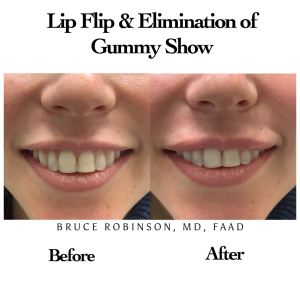
Dr. Robinson, a board-certified dermatologist based in New York City & a member of The American Academy of Dermatology, he is known for his expertise in cosmetic dermatology. He has been performing "lip flips" & "lip fillers" around the mouth for many years. The key differences between these two popular procedures for enhancing the appearance of the lips are the "lip flip" primarily alters the shape and position of the lips while "lip fillers" add volume and fullness.
While they may sound similar, "lip flips" and "lip fillers" are totally different. While "lip flips" use a neuromodulator such as Botox, lip fillers use natural dermal volumisers, containing hyaluronic acid to restore lost volume and fullness to deflated lips to help turn up the corners of your mouth & undo the impression of unhappiness and re-establish a more youthful appearance to thinning lips.
A "Lip Flip" is a non-surgical, non-invasive, cosmetic procedure that gently creates a fuller looking lip without increasing the actual volume. "Lip flip" patients are often categorized as having a "gummy-smile", whose upper lip may curl inward due to a thinning upper lip that disappears when smiling. The "lip flip" injects neuromodulators, such as Botox, to relax a muscle in the upper lip border, causing it to "flip" outward and achieve a more natural appearance of a fuller upper lip, showing little gum..
Lip Fillers or lip augmentation, is also a non-surgical, non-invasive, cosmetic procedure involving the use of hyaluronic acid-based dermal fillers, such as Juvederm or Restylane, to add volume, shape & definition to the lips. The filler is injected directly into the lips to increase their size, enhance symmetry, and improve overall lip contour. Lip fillers can achieve more dramatic results compared to the lip flip and are often preferred by individuals seeking significant lip augmentation.
While they may sound similar, both are non-invasive procedures with no-downtime, lip flips and lip fillers are totally different. While lip flips use a neuromodulator such as Botox, lip fillers use natural dermal volumisers, containing hyaluronic acid which is injected directly into the lips to restore lost volume and fullness to deflated lips to help turn up the corners of your mouth & undo the impression of unhappiness and re-establish a more youthful appearance to thinning lips.
Lip Filler results usually last longer (6-8 months) compared to the Lip Flip (3-4 months).
Both procedures are minimally invasive, but patients may experience some swelling, bruising, or temporary numbness at the injection sites.
Schedule an office visit to discuss your concerns and skincare goals with Dr. Robinson and the office visit cost will be applied to the future cost for the "consulted procedure". The "consulted procedure" must be completed within 30 days of your consult visit.
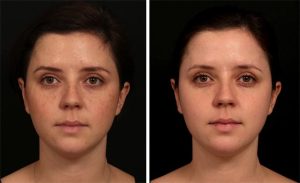
PRP and Fraxel Laser are powerful on their own, but together they offer a "powerhouse" treatment that will naturally transform and rejuvenate your appearance, while providing dramatic anti-aging results. The combination boosts your own collagen production and fibroblast proliferation increasing you skin's elasticity, texture and tone. Recover lost volume, diminish the appearance of fine lines, sun damage, skin pigmentation & acne scars. The addition of PRP (platelet rich plasma) after Fraxel Laser, not only accelerates the recovery process and adds nutrient rich growth factors that stimulate cells to generate newer, healthier tissue, it repairs aged existing tissue as well.
We increase the potency of platelets and other growth factors by using a double-spin, high speed centrifugation process to concentrate the Platelet-Rich Plasma (PRP) preparation which results in a more consistent superior cosmetic result. It is important to note that specific PRP preparation varies among healthcare providers which directly affects the quality of cosmetic results. Our patient's have said "the end result seems almost magical 🪄."
The combination of PRP/Fraxel Laser can yield a better result compared to using Fraxel or PRP alone. Facials that harvest and apply your own platelet-rich-plasma (PRP) became popular with cosmetic procedures because of their role in accelerating wound healing. Research in skin rejuvenation has proven PRP:
The Fraxel Laser creates thousands of microscopic, invisible treatment zones, allowing openings for the PRP "growth factors" to penetrate the skin. There are NO holes, or needles used to inject the PRP, providing a uniform immersion of the PRP growth factors to the treatment area. This promotes excellent results, faster healing and reduces downtime compared to other traditional PRP application methods .
So many advanced and innovative treatments are available to improve your skin, but how can you tell which treatment will most efficiently resurface and regenerate your complexion? Using Botox and dermal fillers can tackle some wrinkles and lost volume, but what about a treatment that actually replaces dull and damaged skin cells with new and healthy tissue? A Fraxel laser resurfacing treatment paired with PRP is the ultimate solution. You are effectively jump-starting your body's own natural rejuvenation systems, including collagen & elastin growth.
This non-surgical treatment allows you to stimulate your body’s own natural repair and rejuvenation processes. On the day of your visit we apply a thin layer of numbing cream to the treatment area. While you are numbing we draw a small amount of blood to use for the PRP. The centrifuge process takes approximately 20-25 minutes. After 30 minutes the numbing cream is removed. Dr. Robinson treats the area using the Fraxel Laser. Once the Fraxel treatment is complete your PRP (platelet rich plasma) is gently applied over the treatment area.
Both Fraxel Laser and PRP have long-lasting benefits. By stimulating one's own collagen & elastin production, PRP and Fraxel yields wonderful results within a few days that may last years.

We are pleased to introduce ProNox™ in our practice, a patient controlled, inhaled analgesia for in-office use. We want our patients to achieve their cosmetic goals worry-free. Patients say that it has made all the difference in moving forward with many cosmetic procedures.
The use of nitrous oxide in Medical, Cosmetic & Laser Dermatologic procedures is becoming more common. Our goal is to provide each patient with a pain-free experience and to work with their varied anxiety levels. While we have excellent topical numbing options for pain control, nitrous oxide can help calm the patient who is nervous or anxious and also help with pain relief.
What should you know about the procedure before finalizing your decision? We consider these the five most important distinctions.
While a facelift lasts anywhere from 5 to 10 years, a liquid facelift typically lasts up to 4 - 6 months, for the best possible and longest-lasting results. This makes the procedure a good choice for patients who want apparent improvement, but aren’t quite ready for a surgical facelift or mini facelift—whether due to inhibitions about the surgery or because one’s signs of facial aging aren’t yet very dramatic.
Results of a liquid facelift are evident almost immediately. But since the procedure has so much potential, it’s possible that more than one treatment session would be needed for the best results. This allows improvements to be made incrementally. Some patients appreciate the fact this allows their results to come in more gradually and thus look more natural.
A liquid facelift has excellent potential, but it should be understood from the outset that since no incisions are made and no actual surgery is performed, its results will naturally fall shy of what a complete surgical facelift can accomplish. But let’s look at what a liquid facelift can achieve:
A liquid facelift is cheaper and more affordable than a facelift or mini facelift, with the exact cost depending upon how much of what types of fillers are needed to help you reach your goals for the procedure. Health insurance does not cover the cost of a facelift or a liquid facelift.
A liquid facelift is done with a combination of dermal fillers and neuromodulators. That means fillers like Radiesse®, Juvéderm®, Belotero®, Restylane® will be used to plump and add volume to the skin in deprived areas, while neuromodulators like Botox will be used to reduce the appearance of fine lines and facial wrinkles.
The art of a liquid facelift lies in how it’s done precisely. How much of what fillers are applied in what portions of the face? Dr. Bruce Robinson has mastered this art and looks forward to helping you achieve your facial beauty goals—without surgery, without incisions, and with minimal downtime.
Schedule an office visit to discuss your concerns and skincare goals with Dr. Robinson and the office visit cost will be applied to the future cost for the "consulted procedure". The "consulted procedure" must be completed within 30 days of your consult visit.
So many of us struggle from natural hair thinning and hair loss. In fact, according to the International Society of Hair Restoration Surgery, approximately 56 million adults in the United States are affected by hair loss. Different conditions can lead to different symptoms of hair loss, ranging from male pattern baldness, which is characterized by hair loss at the temples followed by thinning along the crown, to thinning or loss that can occur in patches throughout the scalp. Hair loss or hair thinning can occur in both men and women and can be a source of self-consciousness or embarrassment and, up until recently, few non-surgical treatments offered total hair restoration.
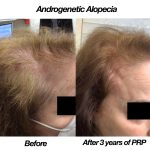
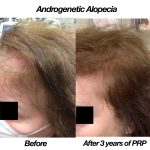
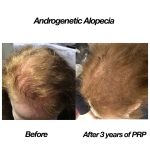
Recently, Platelet-Rich Plasma (PRP) has become a popular regenerative treatment in the world of dermatology. PRP treatment for hair restoration, is not a permanent solution for hair regrowth, but it can help to slow down the progression of hair loss and promote new growth in areas where there was previously none. It can offer significant improvements in hair thickness, density and reduces hair shedding. The treatment takes platelet-rich plasma from the patient’s own blood and once isolated, the PRP solution is injected into the area affected by hair loss or hair thinning. The PRP triggers the natural hair growth process and strengthens the hair follicles to promote regrowth and prevent hair loss. The procedure is simple and requires minimal downtime or discomfort, making it an excellent option for patients who are wary of surgical options, such as hair transplants.
Board-certified dermatologist Dr. Bruce Robinson is an expert in PRP treatment and was one of the first dermatologists to incorporate PRP into his private NYC practice. PRP has been a boost to patients with hair loss, delivering improved hair growth and hair thickness with his PRP hair restoration patients. Experienced dermatologist, Dr. Bruce Robinson, has been treating patients in his Upper East Side, New York City office for more than 30 years and is an expert in a range of cosmetic and dermatological procedures. If you’re frustrated by thinning hair or hair loss, Dr. Robinson is here to help.
Therapy for hair loss is a three-step medical treatment in which a person's blood is drawn, processed, and then injected into the scalp. Platelet-rich plasma is a concentration of platelets that is 3x the normal blood value, and contains many growth factors that stimulate hair follicles and can safely be performed up to every month, based on how much hair growth is required. PRP is a great solution for hair loss in both men and women, especially when hair transplant surgery is not an option. PRP injections can stimulate new hair growth in men who suffer from androgenetic alopecia (known as male pattern baldness) and women who suffer from female pattern baldness.
The Platelets in the PRP contain proteins that are needed in order to promote the rate of tissue healing and regeneration within inactive hair follicles. Inside these platelets are a variety of intracellular structures such as glycogen (a form of glucose), lysosomes (which break down the proteins), and alpha granules (which contain clotting and growth factors that get released during the cell repair process). Platelet-rich plasma-derived growth factors can also play a part in stem cell differentiation within the wound healing process of the musculoskeletal system.
In multiple studies through the Journal of Cosmetic Dermatology and Aesthetic Plastic Surgery, patients suffering from hair loss were found to benefit from PRP injections. The PRP hair restoration treatment led to a significant local increase in hair number, extended growth phase, and improved hair thickness. Though the treatment is not yet FDA-approved, there is scientific proof that the treatment is beneficial for hair strength and new hair growth at and around a PRP injection site.
The science behind PRP uses proven benefits of PRP to naturally promote new cellular growth. PRP is directly involved in regenerative healing within the body. PRP growth factors can thus influence hair growth and can in fact restore hair follicles, in turn improving the look and feel of a patient’s hair.
PRP hair rejuvenation treatment involves the injection of platelets into the area of the body in which hair loss is occurring, for example the crown of the head. Platelets are taken from the patients own body via a blood draw that occurs at the start of the appointment. After the blood has been drawn, it is placed in a centrifuge, which is a machine that separates the platelet-rich plasma from the red blood cells. When isolated, the platelet-rich plasma is then injected into the treatment area. The platelets release growth factors, which stimulates the dermal papilla cells that are crucial in the hair growth process. For that reason, a series of PRP injections help to trigger hair regrowth to restore lost hair.
Though of course the number of PRP treatments varies depending on the hair condition and aesthetic goals of the individual patient, a typical patient will do three sessions of PRP therapy. Further treatments will be evaluated at the end of the fourth month (after the third PRP treatment).The sessions are typically spaced 4-6 weeks apart, and Dr. Robinson personally performs all consultations and injections. PRP treatments can also be used in tandem with hair transplantation to help accelerate hair growth. At your initial consultation with Dr. Robinson, you will be able to discuss all hair treatment options, including PRP injections. Dr. Robinson will use his expertise to provide the best medical advice, diagnosis, and treatment available for hair loss.
Unfortunately, as PRP hair restoration is considered a cosmetic procedure, PRP for hair loss is not covered by health insurance. For more information, it’s best to contact your insurance company directly to ascertain coverage.
Many patients come into their initial consultation with Dr. Robinson wondering, how fast does PRP work for hair loss? Of course, any results will vary depending on the nature of hair loss and desired results of each patient. However, the majority of patients see initial improved hair thickness and hair growth several weeks after treatment. Optimal results from PRP injections are apparent, on average, about 5-6 months after treatment.
A good candidate for PRP hair restoration is a patient who is showing signs of thinning hair or hair loss. Typically, candidates who have experienced hair loss more recently, or who are dealing with early hair loss, respond best to PRP hair treatment. Those with hair follicles that have been dormant for longer on the scalp are less likely to be improved by PRP therapy. It’s good to note that if you are diagnosed with a underlying disorder such as lupus or thyroid disease, you are unlikely to benefit form PRP injections, as these conditions will continue to worsen hair loss over time. Additionally, patients should not take blood thinners during PRP hair restoration treatment, as the procedure will be significantly less effective.
Call today to schedule an appointment with Dr. Robinson.
After years of sun, squinting, laughing, frowning, smoking, and worrying, the skin around the eyes and on the forehead will often develop deep lines and wrinkles called “expression lines.” A frequent concern is that they often make you look older, tired, or stressed. Until recently, these advanced furrows have been difficult to treat. Now, by utilizing this FDA approved temporary muscle-relaxing agent, you can reduce "permanent expression lines". Botox®, Xeomin®, Jeuveau®, & Evolysse™, Dysport® are extremely popular “neuromodulators,” used to treat fine lines and wrinkles. It is one of our favorite procedures to perform because of the extremely high patient satisfaction rate, and a great place to start if you are considering a cosmetic procedure for the first time.
If you want to prevent the earliest fine lines from becoming full-blown wrinkles, preventative use of neuromodulator's can be the solution. Approved for patients who are 18 years and older and most experts agree that patients in their mid to late 20s and early 30s are at a good age for preventative treatment.
With a very fine needle, neuromodulators are painlessly injected into the specific muscle causing fine lines and wrinkles on the face. No anesthetic is required. Treatment is effective, safe, and takes approximately 10 minutes. Immediately following treatment you may resume regular activities.
The effects usually last 3 to 4 months, and fade away gradually. Following several treatments, the results may last 4 to 8 months or longer. Neuromodulator's offer extended relief over the course of long-term treatment.
Side effects of neuromodulator's, if any, are usually mild and temporary. Botulinum toxins contain proteins, which in some circumstances may be naturally safeguarded against by the body's ability to produce antibodies. If antibodies are formed, the therapy will generate a lesser response. Temporary bruising, mild pain and swelling are sometimes experienced, though these symptoms resolve on their own within 3 to 5 days. In rare cases, there can be a slight drooping of an eyelid or asymmetry of expression. If this should happen please notify our office.
The do’s:
The don’ts :
Typically, the effect of a neuromodulator is visible within 5 -7 days. Maximum benefits are reached between 10 to 14 days. Once the muscle becomes dormant and the skin softens, you will have a more relaxed and youthful appearance. Neuromodulator treatments are not a substitute for the results achieved with a facelift. The optimum appearance may be achieved with neuromodulator therapy in conjunction with a facelift, dermal fillers, laser resurfacing, and skin rejuvenation.
Wired? Jeuveau® by Evolus, a modern, FDA-approved injectable neurotoxin treatment specifically designed to temporarily treat those pesky 11 lines between your brows.
Unlike other injectable neuromodulators, Jeuveau (prabotulinumtoxinA-xvfs) is made with proprietary Hi-Pure™ Technology. Jeuveau's manufacturing process works to purify the product, which helps achieve precise, natural-looking results you’ll love.
BOTOX® is a therapeutic muscle-relaxing agent derived from the bacterium, Clostridium Botulinum. For over a decade ophthalmologists have applied BOTOX® for it's original intention, the treatment of blepharospasm. Physicians have utilized BOTOX® for years as a cosmetic treatment to correct visible signs of stress and aging.
The contractions and movements of the facial muscles are controlled by signals from the brain. BOTOX simple prevents the muscle from allowing responses to these messages. As a result, the muscle relaxes and the overlying skin remains unwrinkled and smooth.
Botox injections have been FDA approved to treat excessive sweating. In the skin, Botox selectively turns off the sweat glands resulting in a normal appearance without wetness. Treatment is performed during an outpatient visit and no recuperative time or special care is needed afterward.

Schedule an office visit to discuss your concerns and skincare goals with Dr. Robinson and the office visit cost will be applied to the future cost for the "consulted procedure". The "consulted procedure" must be completed within 30 days of your consult visit.
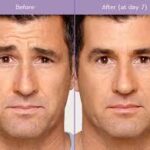

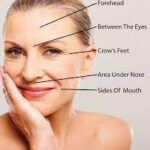
Wrinkles are caused by the natural aging process, expressions made by muscles and sun damage. Using Sunscreen daily is the Holy Grail Anti-Aging product. Today there are many treatments available to help reduce fine lines and wrinkles on the skin. For deeper creases, a person may require more aggressive technique. With the latest treatments such as Botox, Fillers, Ultherapy, TempSure, and Fraxel laser skin resurfacing, wrinkles can appear less noticeable and even be prevented. These treatments are easy in office procedures that require little to no social downtime. The results can be immediate or seen in just a few weeks. Say "Good-bye" to wrinkles and fine lines and hello to beautiful, younger, smoother looking skin.
Cosmetic Consultation Reimbursement policy offered to all patients. Come discuss your needs and goals with Dr. Robinson and the office visit cost will be applied to future costs for the discussed procedure. Procedure must be completed within 30 days of your consult visit.
Vitiligo is a skin condition resulting from the loss of pigment which produces white patches. Any part of the body may be affected. Usually both sides of the body are affected. Common areas of involvement are the face, lips, hands, arms, legs, and genital areas.
Vitiligo affects one or two of every 100 people. About half the people who develop it do so before the age of 20; about 1/5 have a family member with this condition. It may be an autoimmune process (the body makes antibodies to its own pigment cells). Most people with vitiligo are in good general health, although vitiligo may occur with other autoimmune diseases such as thyroid disease
Melanin, the pigment that determines color of skin, hair, and eyes, is produced in cells called melanocytes. If these cells die or cannot form melanin, the skin becomes lighter or completely white
Typical vitiligo shows areas of milky-white skin. However, the degree of pigment loss can vary within each vitiligo patch. There may be different shades of pigment in a patch, or a border of darker skin may circle an area of light skin.
Vitiligo often begins with a rapid loss of pigment. This may continue until, for unknown reasons, the process stops. Cycles of pigment loss, followed by times where the pigment doesn't change, may continue indefinitely.
It is rare for skin pigment in vitiligo patients to return on its own. Some people who believe they no longer have vitiligo actually have lost all their pigment and no longer have patches of contrasting skin color. Although their skin is all one color, they still have vitiligo.
The course and severity of pigment loss differ with each person. Light-skinned people usually notice the contrast between areas of vitiligo and suntanned skin in the summer. Year round, vitiligo is more obvious on people with darker skin. Individuals with severe cases can lose pigment all over the body. There is no way to predict how much pigment an individual will lose.
Sometimes the best treatment for vitiligo is no treatment at all. In fair-skinned individuals, avoiding tanning of normal skin can make areas of vitiligo almost unnoticeable because the (no pigment) white skin, of vitiligo has no natural protection from sun. These areas are easily sunburned, and people with vitiligo have an increased risk to skin cancer. A sunscreen with a SPF of at least 30 should be used on all areas of vitiligo not covered by clothing. Avoid the sun when it is most intense to avoid burns.
Disguising vitiligo with make-up, self-tanning compounds or dyes is a safe, easy way to make it less noticeable. Waterproof cosmetics to match almost all skin colors are available. Stains that dye the skin can be used to color the white patches to more closely match normal skin color. These stains gradually wear off. Self-tanning compounds contain a chemical called dihydroxyacetone that does not need melanocytes to make the skin a tan color. The color from self-tanning creams also slowly wears off. None of these change the disease, but they can improve appearance. Micropigmentation tatooing of small areas may be helpful.
If sunscreens and cover-ups are not satisfactory, your doctor may recommend other treatment. Treatment can be aimed at returning normal pigment (repigmentation) or destroying remaining pigment (depigmentation). None of the repigmentation methods are permanent cures.
Aggressive treatment is generally not used in children. Sunscreen and cover-up measures are usually the best treatments. Topical corticosteroids can also be used, but must be monitored. PUVA, an ulta-violet therapy, is usually not recommended until after age 12, and then the risks and benefits of this treatment must be carefully weighed.
Topical Corticosteroids — Creams containing corticosteroid compounds can be effective in returning pigment to small areas of vitiligo. These can be used along with other treatments. These agents can thin the skin or even cause stretch marks in certain areas. They should be used under your dermatologist's care.
PUVA is a form of repigmentation therapy where a type of medication known as psoralen is used. This chemical makes the skin very sensitive to light. Then the skin is treated with a special type of ultraviolet light call UVA. Sometimes, when vitiligo is limited to a few small areas, psoralens can be applied to the vitiligo areas before UVA treatments. Usually, however, psoralens are given in pill form. Treatment with PUVA has a 50 to 70% chance of returning color on the face, trunk, and upper arms and upper legs. Hands and feet respond very poorly. Usually at least a year of twice weekly treatments are required. PUVA must be given under close supervision by your dermatologist. Side effects of PUVA include sunburn-type reactions. When used long-term, freckling of the skin may result and there is an increased risk of skin cancer. Because psoralens also make the eyes more sensitive to light, UVA blocking eyeglasses must be worn from the time of exposure to psoralen until sunset that day to prevent an increased risk of cataracts. PUVA is not usually used in children under the age of 12, in pregnant or breast feeding women, or in individuals with certain medical conditions.
This is a form of phototherapy that requires the skin to be treated two, sometimes three, times a week for a few months. At this time this form of treatment is not widely available. It may be especially useful in treating children with vitiligo.
Transfer of skin from normal to white areas is a treatment available only in certain areas of the country and is useful for only a small group of vitiligo patients. It does not generally result in total return of pigment in treated areas.
Other treatment options include a new topical class of drugs called immunomodulators. Due to their safety profile they may be useful in treating eyelids and children. Excimer lasers may be tried as well.
For some patients with extensive involvement, the most practical treatment for vitiligo is to remove remaining pigment from normal skin and make the whole body an even white color. This is done with a chemical called monobenzylether of hydroquinone. This therapy takes about a year to complete. The pigment removal is permanent.
At this time, the exact cause of vitiligo is not known, however, there may be an inherited component. Although treatment is available, there is no single cure. Research is ongoing in vitiligo and it is hoped that new treatments will be developed.